
Think about a market that never closes: no holidays, no news breaks, and no need to wait around for Wall Street to open up. This is what synthetic indices are like; prices move based on algorithms, not headlines or events. For someone new to this, it can feel like a lot at first, honestly.
That’s where synthetic indices signals come in. They make things simpler by giving you an idea of when you should get into a trade or get out of one. If you use them the right way, these signals can help turn that early confusion into more confidence, trade by trade. Here is your go-to guide.
What Are Synthetic Indices Signals?
Synthetic indices signals are trading alerts for synthetic indices, and these are markets that are run by algorithms and not influenced by real-world factors like news or company earnings reports.
Since these markets do not depend on real-world events, they just keep running all day, every day, which a lot of traders like because they can trade anytime even on holidays or when normal markets are closed.
Why New Traders Need to Watch These Signals
If you just started trading, Syntxwiki synthetic indices signals can make things a bit less confusing. Instead of staring at complicated charts alone, beginners get signals that show good spots to enter or exit a trade. This can protect against emotional trading and help new traders be more structured.
Pick a Signal Provider You Can Trust
Not every synthetic indices signals provider is worth your time. Look at their track record, check if their past results are shown openly, and see if they explain their strategy in plain terms.
Stay away from any signal that promises guaranteed profits because trading always carries risk, no matter what.
Know the Risk That Is Involved
Even if you find good synthetic indices signals, you still need to manage risks well. Beginners should not invest money they cannot afford to lose. Try using stop-loss settings and a small trade size first; this can protect your capital while you are still learning how the signals behave.
Try a Demo Account First
Before you use real money, it is a good idea for you to try out synthetic indices signals with a demo account first. This helps beginners see how the signals are working without losing money for real.
Doing this kind of practice also helps you get used to timing, volatility, and how synthetic markets move.
Combine Synthetic Indices Signals with Simple Technical Checks
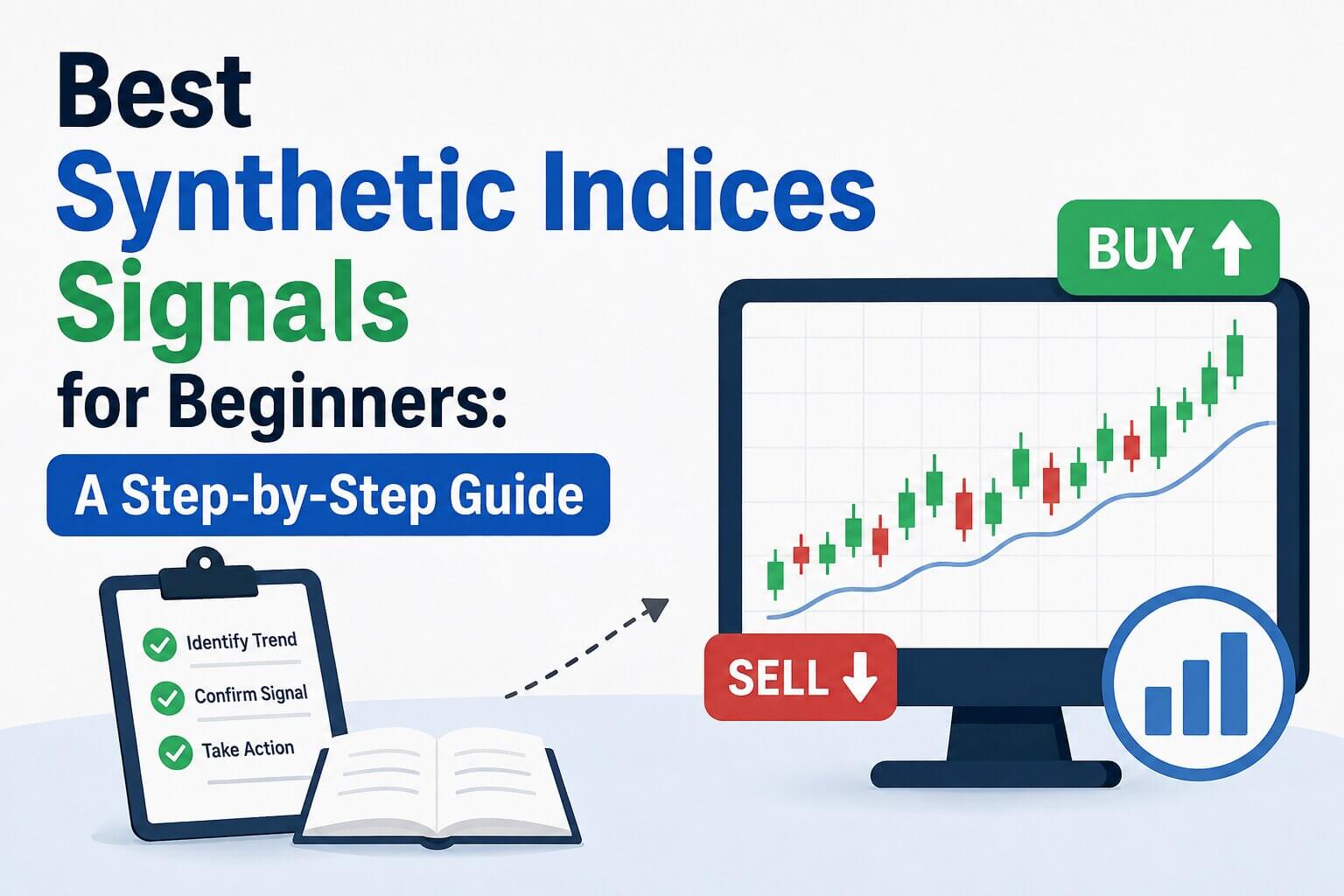
Synthetic indices signals are helpful, but pairing them with basic technical analysis makes them more reliable. You do not need anything complicated; simple tools like moving averages or support and resistance can help you see if the signal is matching what the market is generally doing.
Conclusion
Trading synthetic indices does not have to feel like guesswork. With good synthetic indices signals, careful risk management, and some demo account practice, beginners can start to understand these markets better instead of just being confused by them.
Success does not come overnight, but learning little by little builds real skill as time goes on. Start small, be patient, and let synthetic indices signals help you understand the market a bit more. Ready to try these steps out? Open a demo account today and take your first trade with confidence.