

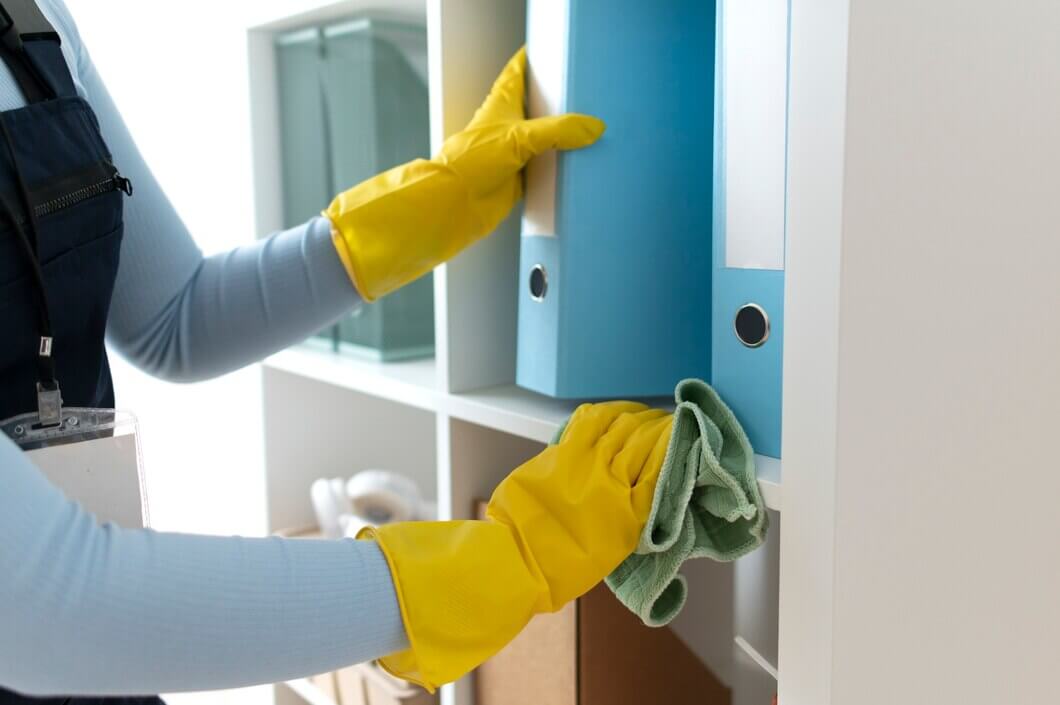
Most workplaces believe they are reasonably clean. Desks look tidy, rubbish bins are emptied, and surfaces are wiped down regularly. Yet despite these efforts, germs can still spread rapidly throughout offices, retail spaces, and shared work environments.
The surprising reason is not usually a lack of cleaning. Instead, it often comes down to one overlooked mistake: focusing on visible surfaces while ignoring the objects people touch most frequently during the day.
Because these high-contact points are used constantly, bacteria and viruses move between people far faster than many organisations realise. This is one reason many companies eventually invest in structured hygiene services that focus specifically on these hidden hotspots.
Understanding where germs actually spread in the workplace can help organisations create cleaner, healthier environments for employees and visitors.
The Problem With “Visible Cleaning”
Many cleaning routines prioritise areas that look dirty. Floors, desks, windows, and rubbish areas tend to receive the most attention because they are the most noticeable.
However, germs do not behave the same way dirt does. Microorganisms thrive on frequently touched surfaces that may appear perfectly clean.
Common examples include:
- Door handles
- Lift buttons
- Light switches
- Shared keyboards
- Telephone handsets
- Break room appliances
These items can be touched dozens, sometimes hundreds, of times in a single day.
Even if a surface looks spotless, it may still carry bacteria or viruses that easily transfer between individuals.
High-Touch Surfaces Spread Germs Quickly
High-touch surfaces act as transfer points for germs. When one person touches a contaminated surface, microorganisms can move onto their hands and travel throughout the workplace.
The process usually happens in three simple steps:
- A contaminated hand touches a shared surface.
- The next person touches that surface.
- Germs transfer to their hands and spread to other objects.
This chain reaction can happen repeatedly throughout the day without anyone noticing.
In environments where people share equipment, such as offices, gyms, medical facilities, or retail counters, this effect becomes even more pronounced.
Shared Equipment Is Often Overlooked
Many workplaces rely on shared tools and equipment. Unfortunately, these items are rarely cleaned as frequently as they should be.
Some common examples include:
- Printers and photocopiers
- Coffee machines
- Water dispensers
- Shared tablets or devices
- Meeting room remotes or presentation tools
Because these items are used by multiple people throughout the day, they can quickly become reservoirs for bacteria.
Without regular sanitisation, germs accumulate and continue circulating.
Break Rooms Can Become Germ Hotspots
Break rooms often give employees a place to relax, but they can also become major germ transmission zones.
Food preparation areas combine frequent hand contact, moisture, and shared equipment, creating ideal conditions for bacteria to spread.
Common problem areas include:
- Refrigerator handles
- Microwave buttons
- Sink taps
- Shared cutlery or utensils
- Kitchen counters
Even well-meaning employees can unintentionally spread germs when they prepare food or touch surfaces before washing their hands.
Simple improvements such as regular disinfecting and clear hygiene reminders can significantly reduce this risk.
Why Hand Hygiene Still Matters
While cleaning routines are essential, hand hygiene remains one of the most effective ways to prevent germ transmission.
Employees who wash or sanitise their hands regularly reduce the chance of spreading microorganisms to shared surfaces.
Helpful practices include:
- Washing hands after using shared equipment
- Using hand sanitiser after touching high-contact surfaces
- Avoiding touching the face with unwashed hands
- Cleaning workstations regularly
These small habits play an important role in maintaining a healthier workplace.
Building a More Effective Cleaning Strategy
A strong workplace hygiene strategy focuses not only on appearance but also on transmission risk.
Instead of cleaning only what looks dirty, organisations benefit from identifying the surfaces people touch most often.
An effective approach typically includes:
- Regular disinfecting of high-touch points
- Scheduled cleaning of shared equipment
- Easy access to sanitising products
- Clear hygiene guidelines for staff
When these practices become routine, workplaces are better equipped to limit the spread of germs.
The Value of Awareness
One of the biggest challenges with workplace hygiene is that germs are invisible. Because people cannot see them, it is easy to underestimate how quickly they move through shared environments.
By understanding how germs spread and paying closer attention to high-contact surfaces, organisations can significantly improve cleanliness without dramatically changing daily operations.
Often, the most effective improvements come from recognising the small, overlooked details that influence how germs travel.
When workplaces focus on these hidden hotspots, they create healthier environments where employees feel safer, productivity improves, and everyday interactions become less likely to spread illness.